New Research Reveals Politicians Dramatically Underestimate Public Support for Climate Policies
Understanding the Research
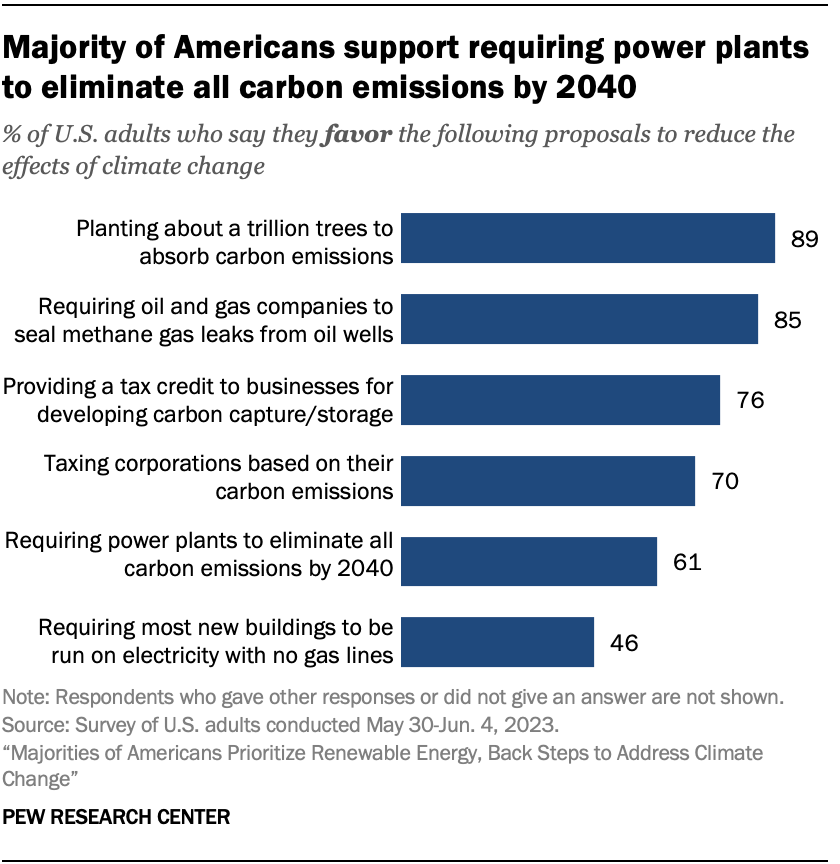
A growing body of evidence shows that most citizens want stronger climate action, yet policymakers often move cautiously, citing presumed public resistance. New doctoral work led by University of Cambridge researcher Lisa-Maria Tanase provides a striking explanation: politicians simply do not realize how popular many green measures really are.
Surveying 100 sitting UK Members of Parliament—roughly mirroring the House of Commons party balance—and more than 600 Flemish representatives in Belgium, the study asked lawmakers to estimate public support for eight climate policies. These ranged from household energy-efficiency subsidies and solar-power incentives to levies on red meat, dairy and frequent flying. The researchers then compared those guesses with large-scale Ipsos opinion polls that had asked the same questions of the general public.
Key Findings
- Systematic underestimation: MPs believed only a minority backed frequent-flyer taxes and eco-friendly product fees, yet majorities actually supported them. Support was underestimated by roughly 15 percentage points.
- Meat and dairy tax: Politicians thought about 35% of the public was in favour; the true figure was 53%—an 18-point gap.
- Home-efficiency grants or loans: Underestimated by seven points.
- Costs don’t explain the gap: Even when MPs were reminded that survey respondents had been told about personal costs, they still predicted lower approval than occurred.
- Consequences are real: UK MPs who thought support was low were significantly less willing to speak publicly for the policy; Belgian representatives were less likely to vote for it.
Methodology in Brief
The project combined representative surveys of politicians, identical public opinion items, and follow-up experiments. One group of MPs received accurate polling data for two policies; their subsequent estimates for other policies moved upward, though not enough to close the perception gap completely, indicating that deeper information biases persist.
Why Do Misperceptions Persist?
Interviews with former MPs suggest they hear far more from organized, often conservative-leaning opponents than from the “silent majority” who favour action. Lobby-driven disinformation and media narratives amplifying conflict further distort the picture. Because politically engaged, higher-income voices are over-represented in party correspondence and traditional media, politicians receive a skewed signal of what voters want.
Implications for Climate Policy
When lawmakers assume a policy is unpopular, they avoid championing it, depriving voters of visible debate and leadership. This creates a feedback loop: the public, incorrectly believing their views are marginal, stay quiet, reinforcing political inaction. Breaking the cycle requires two simultaneous shifts:
- Making politicians accurately aware of genuine public opinion.
- Empowering citizens to express pro-climate preferences loudly and visibly.
What This Means for Canada and Beyond
Although the data come from the UK and Belgium, earlier global surveys indicate the phenomenon is widespread. An overwhelming 89% of people worldwide say they want stronger climate action, yet many think they are in a minority. Canadian advocates can draw three practical lessons:
- Normalize vocal support: Letters to MPs, social-media campaigns and public consultations must highlight the breadth of backing for clean-energy incentives, building-efficiency programs and carbon pricing.
- Correct the record: Media briefings that pair policy announcements with polling data help journalists frame climate measures as mainstream, not contentious.
- Build cross-party evidence sessions: Parliamentary committees could routinely receive independent public-opinion data before voting on environmental bills, reducing reliance on anecdotal correspondence.
Looking Ahead
Tanase’s findings, now under peer review, underline a rarely acknowledged barrier to climate progress: inaccurate political perception rather than outright public opposition. Closing the perception gap will not automatically translate every green policy into law, but it removes a key psychological hurdle, enabling elected officials to lead with greater confidence and ambition.
For citizens, the takeaway is clear: silence is being interpreted as opposition. Speaking up—at town halls, in opinion pages, on social media and at the ballot box—can turn today’s “silent majority” into tomorrow’s visible mandate for decisive climate action.
References
Source material and quotes drawn from Climate Change Education Canada Facebook post summarizing ongoing University of Cambridge research by Lisa-Maria Tanase.