USDA’s New Regenerative Agriculture Program: A Critical Analysis of Greenwashing Concerns
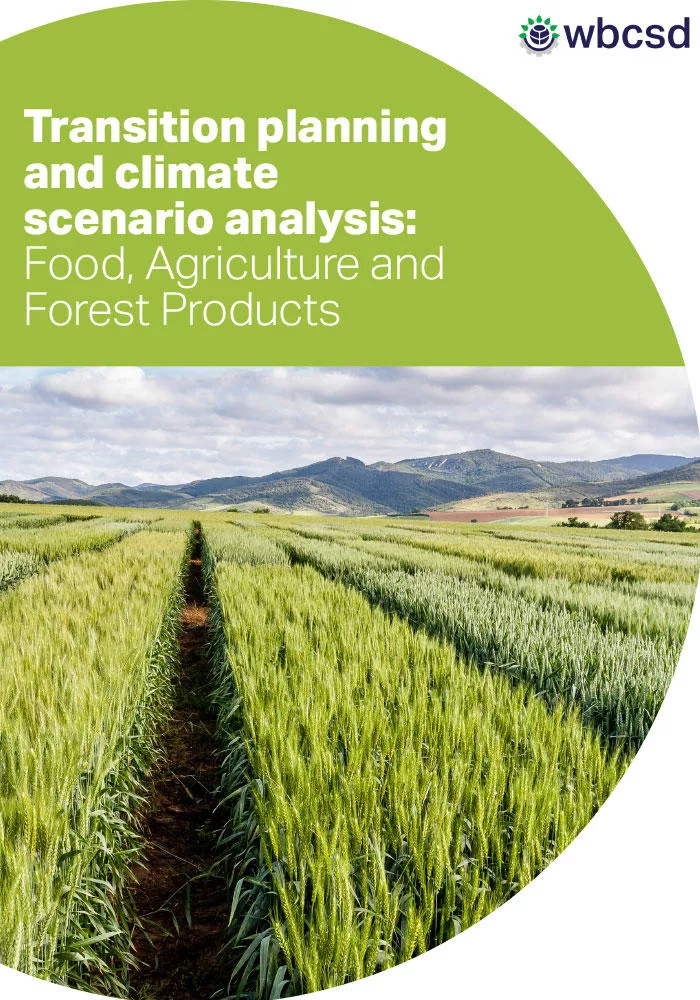
The United States Department of Agriculture has unveiled a new regenerative agriculture program that has sparked significant controversy within the environmental and sustainable farming communities. Critics, including prominent environmental organizations, have labeled the initiative as potential “greenwashing” that may divert crucial resources and attention away from the more rigorous certified organic transition process that farmers undergo.
Understanding the Controversy
The USDA’s regenerative agriculture program represents the agency’s latest attempt to promote sustainable farming practices. However, environmental advocates argue that the program’s vague definitions and lack of clear standards make it susceptible to greenwashing – the practice of making misleading claims about environmental benefits.
Unlike certified organic farming, which requires strict adherence to established standards verified by third-party inspections, regenerative agriculture currently lacks universally accepted definitions and measurable benchmarks. This regulatory gap has raised concerns among environmental groups who worry that conventional farmers can adopt the “regenerative” label without making meaningful changes to their practices.
The Resource Diversion Argument
Competing for Limited Funding
One of the primary concerns raised by critics is the potential for this new program to divert limited federal resources away from organic transition assistance. The transition from conventional to organic farming requires significant investment, both financially and in terms of time – typically taking three years to complete the certification process.
Environmental advocates argue that federal funding would be better spent supporting farmers through the proven organic certification process rather than promoting a loosely defined concept that may not deliver measurable environmental benefits. The concern is that the regenerative agriculture program could:
- Reduce financial incentives for farmers to pursue full organic certification
- Create confusion among consumers about what constitutes truly sustainable farming
- Allow conventional farmers to market themselves as environmentally friendly without meeting rigorous standards
- Undermine the premium pricing that organic farmers depend upon for their economic viability
Greenwashing Concerns and Lack of Standards
The absence of clear, enforceable standards for regenerative agriculture has emerged as a central issue in the debate. Unlike organic certification, which prohibits synthetic pesticides and fertilizers and requires specific soil-building practices, regenerative agriculture currently operates more as a philosophy than a regulated practice.
Marketing vs. Measurable Impact
Critics contend that the term “regenerative” has become a marketing buzzword that allows conventional agriculture to rebrand itself as environmentally friendly without fundamental changes to practices that may harm soil health, biodiversity, and ecosystem services. This greenwashing potential is particularly problematic because:
- Consumers may believe they’re supporting environmentally beneficial practices when they’re not
- It undermines consumer trust in legitimate environmental certifications
- It may delay the transition to truly sustainable farming systems
- It could perpetuate harmful agricultural practices under a sustainable guise
The Organic Alternative: A Proven Path Forward
Environmental advocates emphasize that certified organic farming already provides a well-established framework for regenerative agriculture practices. Organic certification requires:
- Soil Health Building: Mandatory use of cover crops, crop rotation, and compost application
- Biodiversity Enhancement: Requirements for buffer zones and habitat preservation
- Pest Management Without Synthetic Chemicals: Integrated pest management using biological controls
- Third-Party Verification: Regular inspections and certification by accredited organizations
- Consumer Transparency: Clear labeling standards and traceability requirements
Implications for Agricultural Policy
The controversy surrounding the USDA’s regenerative agriculture program highlights broader tensions in American agricultural policy between incremental improvements to conventional farming and fundamental shifts toward verified sustainable systems.
Policy Recommendations from Advocates
Environmental organizations argue that federal agricultural policy should prioritize:
- Increased funding for organic transition cost-share programs
- Strengthened enforcement of organic standards and certification processes
- Development of clear, measurable standards for any agricultural sustainability program
- Consumer education about the differences between marketing terms and certified standards
- Support for farmers throughout the three-year organic transition period
What This Means for the Future of Sustainable Agriculture
The debate over the USDA’s regenerative agriculture program reflects a critical juncture in American farming. As climate change, soil degradation, and biodiversity loss intensify, the agricultural sector faces increasing pressure to adopt more sustainable practices.
However, the path forward remains contested. While some view regenerative agriculture as a pragmatic way to engage conventional farmers in sustainability discussions, others see it as a distraction from the more fundamental changes needed in our food system.
The Stakes for Climate and Environment
The implications extend beyond farming practices to broader environmental goals. Agriculture contributes approximately 10% of U.S. greenhouse gas emissions and significantly impacts water quality, soil health, and biodiversity. The choice between promoting vague sustainability concepts versus supporting rigorous, verified systems could significantly influence whether agriculture becomes part of the climate solution or remains a major environmental challenge.
Conclusion
The USDA’s regenerative agriculture program has ignited important debates about what constitutes truly sustainable farming and how federal policy should support the transition to environmentally beneficial agricultural practices. While the program’s intentions may align with sustainability goals, critics argue that without clear standards and measurable outcomes, it risks becoming a form of agricultural greenwashing that undermines more rigorous approaches to sustainable farming.
For meaningful progress toward sustainable agriculture, environmental advocates argue that federal resources should focus on supporting the proven organic certification system rather than creating parallel programs with unclear standards. As consumers become increasingly concerned about environmental issues, the need for authentic, verifiable sustainable farming practices becomes more critical than ever.
The resolution of this debate will significantly influence whether American agriculture moves toward genuinely regenerative systems that restore soil health, sequester carbon, and protect biodiversity, or whether it continues with business-as-usual practices under a more sustainable-sounding name.
Reference
USDA’s New Regenerative Ag Program, Called Greenwashing, Diverts Resources Needed for Organic Transition – Beyond Pesticides Daily News Blog. https://beyondpesticides.org/dailynewsblog/2026/01/usdas-new-regenerative-agriculture-program-called-greenwashing-diverts-resources-needed-for-organic-transition/