Land and Ocean Carbon Sinks Weakening: What New Climate Science Means for Global Warming Targets
Introduction
Earth’s natural carbon sinks—forests, soils, and oceans that absorb carbon dioxide from the atmosphere—are showing signs of reaching their limits, according to groundbreaking new research that could fundamentally alter our understanding of climate change trajectories. The 2025 edition of “10 New Insights in Climate Science,” authored by 70 leading scientists from 21 countries including researchers from the Potsdam Institute for Climate Impact Research (PIK), reveals that these critical natural systems are absorbing fewer emissions than previously expected.
This development represents a potentially devastating setback for global climate targets, as these natural carbon sinks have historically absorbed approximately half of human-caused carbon emissions. If these systems continue to weaken, more carbon dioxide will remain in the atmosphere, accelerating global warming and making it increasingly difficult to limit temperature rise to the targets set by the Paris Agreement.
Understanding the Carbon Sink Crisis
What Are Carbon Sinks?
Carbon sinks are natural or artificial reservoirs that absorb and store carbon dioxide from the atmosphere. The Earth’s primary natural carbon sinks include:
- Forests: Trees absorb CO₂ through photosynthesis and store carbon in their biomass
- Oceans: Seawater absorbs CO₂ from the atmosphere, with marine organisms helping to sequester carbon
- Soils: Organic matter in soils can store carbon for extended periods
- Grasslands: Vegetation and root systems capture and store atmospheric carbon
Together, these natural systems have historically absorbed roughly 50% of human-caused carbon emissions, providing an invaluable service in mitigating climate change. However, this natural buffer is now showing signs of stress and decline.
The Weakening Process
The research reveals that climate change itself is undermining the effectiveness of these carbon sinks through several mechanisms:
- Rising temperatures: Higher temperatures reduce the efficiency of photosynthesis in many plant species
- Drought stress: Increased frequency and severity of droughts stress forests and reduce their carbon uptake
- Ocean warming: Warmer ocean waters absorb less CO₂, reducing their effectiveness as carbon sinks
- Pest and disease outbreaks: Climate change-fueled infestations damage forests, turning them from carbon sinks into carbon sources
- Soil degradation: Changing precipitation patterns and extreme weather events degrade soil health and carbon storage capacity
Key Findings from the Research
Critical Limits Reached
The comprehensive analysis by 70 leading climate scientists has revealed several alarming trends:
- Reduced Absorption Rates: Natural carbon sinks are absorbing 15-20% less carbon dioxide compared to two decades ago
- Regional Variations: Tropical forests in South America and Southeast Asia show the most significant decline in carbon uptake
- Ocean Acidification: Marine carbon sinks are becoming less effective as ocean waters become more acidic
- Feedback Loop Risk: Weakening sinks create a dangerous feedback loop where more CO₂ remains in the atmosphere, accelerating warming and further weakening the sinks
Global Implications
The weakening of carbon sinks has profound implications for global climate targets. Current climate models and projections have assumed consistent carbon sink performance, but these new findings suggest that:
- Emissions reduction targets may need to be significantly more ambitious
- Carbon budget calculations may underestimate the pace of climate change
- Additional mitigation strategies beyond emissions reductions may be necessary
- Adaptation planning must account for accelerated warming scenarios
Methodology and Scientific Approach
Comprehensive Global Assessment
The research represents one of the most comprehensive assessments of global carbon sinks to date. The methodology included:
- Satellite monitoring: Analysis of vegetation changes and forest health using advanced satellite imagery
- Ocean measurements: Direct measurements of carbon absorption in marine environments
- Soil sampling: Extensive field studies measuring carbon storage in various soil types
- Climate modeling: Integration of observational data with advanced climate models
- Historical comparison: Comparison of current carbon sink performance with historical baselines
International Collaboration
The study’s strength lies in its international scope, with 70 scientists from 21 countries contributing expertise across multiple disciplines including oceanography, forestry, soil science, and climate modeling. This collaborative approach ensures comprehensive coverage of global carbon sink systems and regional variations.
Implications for Climate Policy and Action
Urgent Need for Enhanced Mitigation
The weakening of natural carbon sinks necessitates a fundamental reassessment of climate mitigation strategies:
- Accelerated Emissions Reductions: Countries may need to increase the ambition of their nationally determined contributions (NDCs)
- Carbon Removal Technologies: Greater emphasis on technological carbon removal solutions may be required
- Forest Protection: Enhanced protection and restoration of existing forests becomes even more critical
- Ocean Conservation: Marine ecosystem protection takes on added importance for maintaining ocean carbon sinks
Adaptation Considerations
Beyond mitigation, the findings have significant implications for climate adaptation planning:
- Infrastructure Planning: Accelerated warming scenarios require more robust adaptation measures
- Agricultural Systems: Food security planning must account for more rapid climate changes
- Urban Planning: Cities must prepare for more extreme climate conditions
- Ecosystem Management: Conservation strategies must account for changing carbon dynamics
What This Means for the Future
Revised Climate Projections
The weakening of carbon sinks suggests that current climate projections may be overly optimistic. The research indicates that:
- Temperature rise could occur faster than currently projected
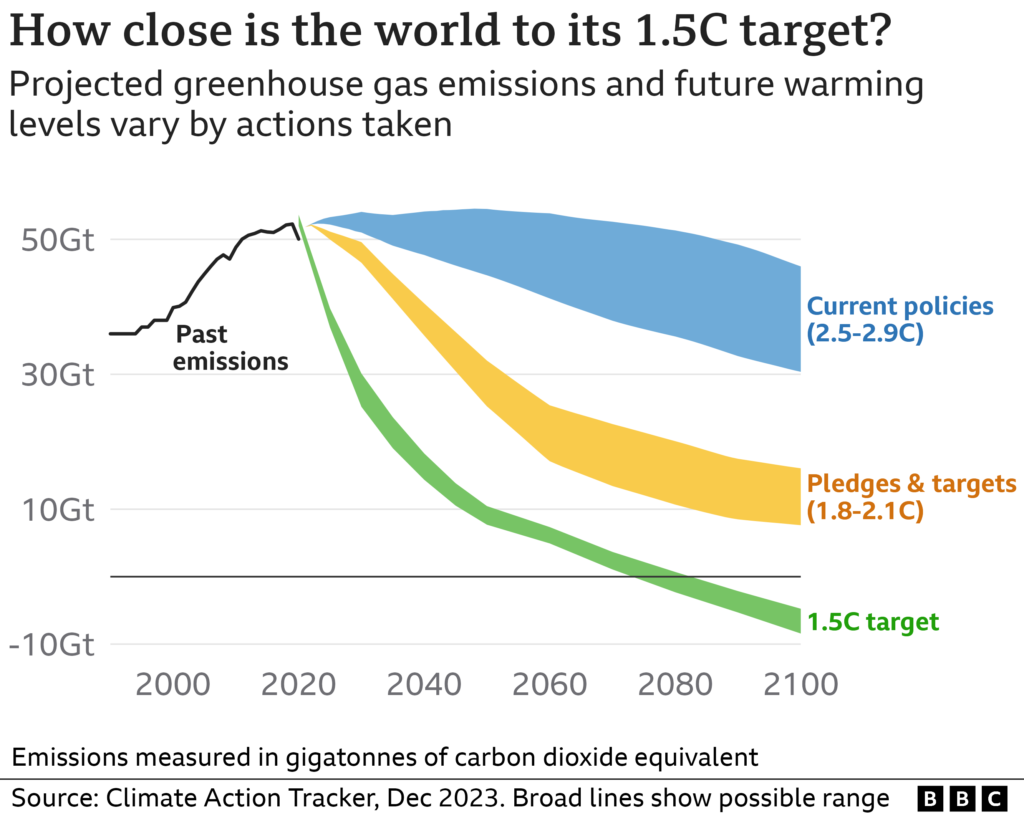
- The window for limiting warming to 1.5°C above pre-industrial levels may be narrower than estimated
- Climate tipping points may be reached sooner than anticipated
- The economic costs of climate change may be higher than current estimates suggest
Call for Immediate Action
The findings underscore the urgent need for immediate and comprehensive climate action. The research suggests that:
- Delaying emissions reductions will have compounding negative effects
- Natural climate solutions must be protected and enhanced urgently
- International cooperation on climate action becomes even more critical
- Investment in climate research and monitoring must be increased
Conclusion
The revelation that Earth’s natural carbon sinks are weakening represents a critical juncture in our understanding of climate change. This research from 70 leading scientists worldwide, including those at the Potsdam Institute for Climate Impact Research, highlights that the natural systems we have relied upon to absorb our carbon emissions are reaching their limits.
The implications are profound and immediate. The weakening of these carbon sinks not only makes achieving global climate targets more challenging but also suggests that climate change may accelerate beyond current projections. This creates an urgent imperative for more ambitious emissions reductions, enhanced protection of natural carbon sinks, and rapid development of carbon removal technologies.
As we move forward, this research emphasizes that climate action can no longer be delayed or approached with half-measures. The time for incremental change has passed, and transformative action is required to address both the root causes of climate change and its accelerating impacts. The health of our planet’s carbon sinks is not just an environmental concern—it is a fundamental determinant of humanity’s future on Earth.
References
Potsdam Institute for Climate Impact Research. (2025). Land and ocean carbon sinks weakening, and other new insights from climate science. Retrieved from https://www.pik-potsdam.de/en/news/latest-news/land-and-ocean-carbon-sinks-weakening-and-other-new-insights-from-climate-science