Global Burden of Particulate Matter Pollution Doubled from 1990–2021, New GBD Analysis Reveals
A comprehensive Global Burden of Disease Study 2021 analysis shows that deaths from ambient particulate matter pollution have doubled since 1990, while household pollution-related mortality declined. The research highlights stark regional, age, and gender disparities, with cardiovascular and neonatal diseases dominating the health impacts.
New Research Identifies 28 Climate Policies That Consistently Reduce Emissions
Researchers have identified 28 climate policies that consistently reduce greenhouse gas emissions across different countries and contexts, offering policymakers a data-driven roadmap for effective climate action.
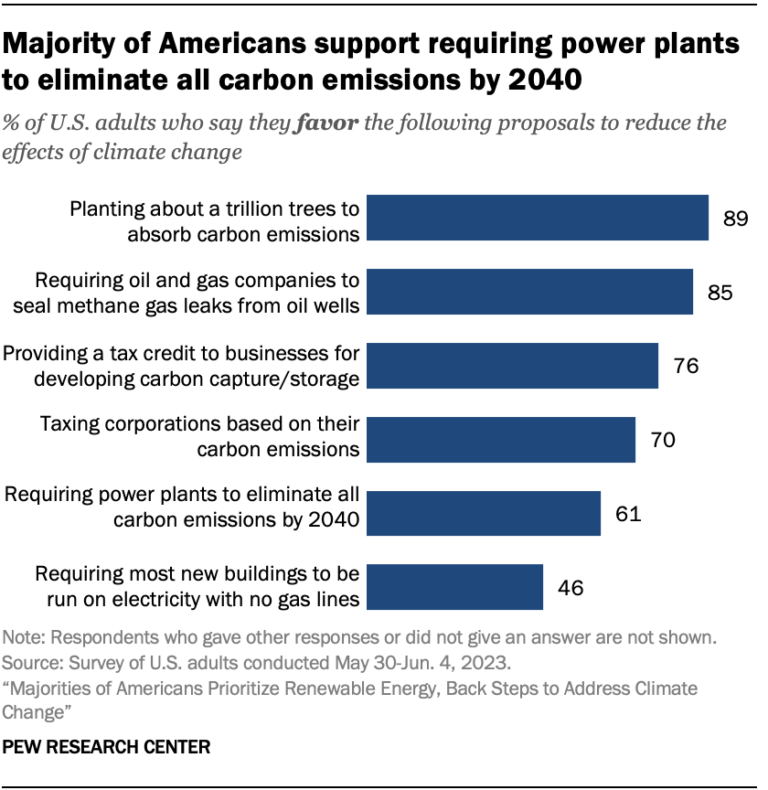
New Research Reveals Politicians Dramatically Underestimate Public Support for Climate Policies
A new study reveals that elected officials in the UK and Belgium consistently underestimate public backing for green policies—such as solar subsidies, home-efficiency grants, meat taxes and frequent-flyer levies—by as much as 18 percentage points, creating a self-reinforcing spiral of silence that dampens political ambition.

New SHIELD Platform Unites Global Researchers to Address Climate-Health Crisis
The Africa Health Research Institute and University of Sussex launch SHIELD—a groundbreaking platform that merges the WEMA and S3E projects—to accelerate climate-health research and safeguard communities across Africa and beyond.
New ECB Climate Data Initiative Enhances Climate Analysis Through Advanced Data Integration
The European Central Bank has unveiled new approaches to climate analysis that leverage enhanced data integration techniques, offering unprecedented insights into climate-related economic impacts and policy effectiveness.