
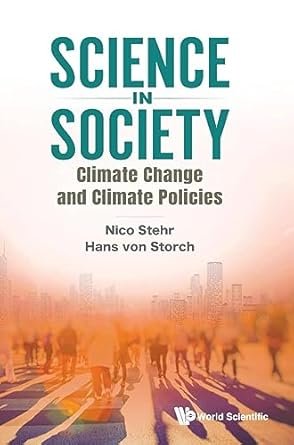
New Research Reveals Frontline Communities Experience Heightened Concern Over Extreme Heat and Climate Impacts
Groundbreaking research shows that while frontline and non-frontline communities share equal concern about global warming, those in frontline areas are significantly more worried about specific climate impacts like extreme heat and power outages, underscoring the critical need for tailored climate communication and policy interventions.
CRISPR-Edited Wheat That Makes Its Own Fertilizer Could Transform Sustainable Agriculture
UC Davis researchers have developed a groundbreaking CRISPR-edited wheat variety that encourages soil bacteria to convert atmospheric nitrogen into plant-usable fertilizer, potentially revolutionizing sustainable farming practices and reducing environmental impact.

New Study Demonstrates MSC Certification Drives Measurable Environmental Improvements
A comprehensive independent study reveals that fisheries engaged in the MSC certification program demonstrate significant environmental improvements, with over 90% achieving best-practice performance levels five years post-certification.

7th Annual Research Spotlight Meeting 2026: Advancing Plant Protein Innovation from Field to Foodservice
The Plant Protein Innovation Center’s 2026 flagship event will unite scientists, farmers, ingredient suppliers and food-service leaders to translate cutting-edge research into scalable, nutritious and delicious plant-based foods for schools, hospitals and corporate cafeterias.
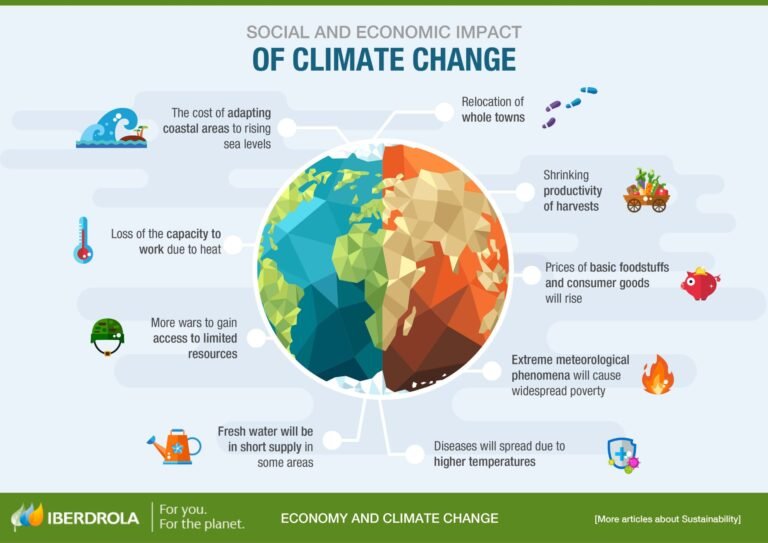
MSC Certification Program Drives Measurable Environmental Improvements in Global Fisheries
A comprehensive analysis of the Marine Stewardship Council’s certification program demonstrates that participating fisheries show progressive environmental improvements, with over 90% achieving global best practice standards within five years of certification.


