New Study Assesses Marine Geoengineering Risks and Knowledge Gaps for Ocean Ecosystems
A recent Reviews of Geophysics paper examines eight marine geoengineering interventions, identifying significant knowledge gaps and potential risks to ocean ecosystems and food security from proposed climate intervention technologies.
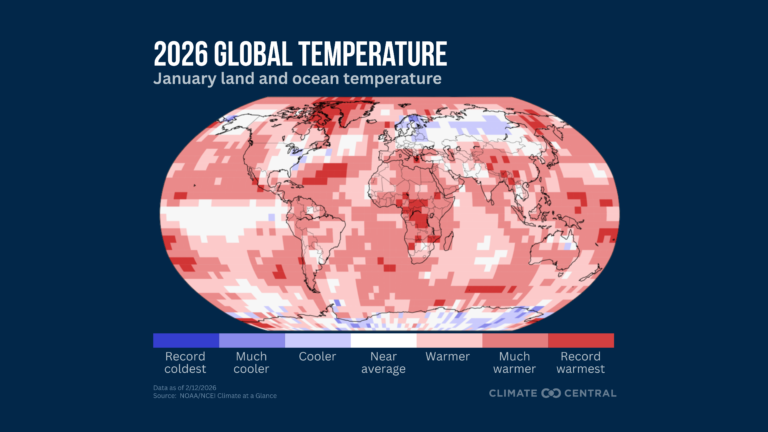
New SHIELD Platform Unites Global Researchers to Tackle Climate-Health Challenges
The Africa Health Research Institute and University of Sussex launch SHIELD—a transdisciplinary hub linking the WEMA and S3E projects—to accelerate climate-health research and safeguard communities worldwide.

New Study Exposes Hidden Gender Bias in AI Recruitment Tools
A Belgian study uncovers that gender bias in AI hiring systems is more pervasive than previously thought, with algorithms using proxy variables like hobbies and language patterns to inadvertently penalize female candidates despite attempts at de-biasing.
Climate-Safe Food Transition Could Strand Up to €255 Billion in European Assets
A study in Nature Food estimates that shifting the EU and UK toward low- or zero-animal diets would create stranded assets worth up to €255 billion, highlighting the economic barriers to rapid decarbonization of food systems.
Climate Research Roundup: Week 12, 2026 – Fresh Insights from the Latest Science
Skeptical Science’s weekly digest spotlights cutting-edge peer-reviewed papers released in March 2026, synthesizing what they reveal about extreme weather attribution, tipping-point risks, and the narrowing window for climate action.