
Climate Change: The Data That Demands Our Attention – 2025 Greenhouse Gas Findings
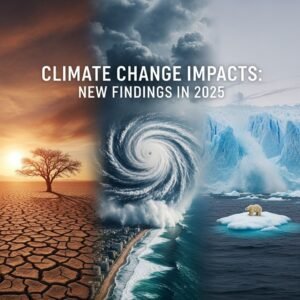
New 2024–2025 measurements show atmospheric greenhouse gases at their highest levels in at least 800,000 years, while oceans and forests absorb less carbon than before. This analysis unpacks the latest numbers, explains the carbon-budget concept, and explores what they mean for staying within 1.5 °C of warming.

Climate Policies Can Backfire by Eroding Green Values, Study Finds
A large-scale German survey shows that restrictive climate policies like urban car bans can trigger psychological “crowding-out” that undermines citizens’ intrinsic green values, but effectiveness, freedom of choice, and privacy protection can make mandates more acceptable.
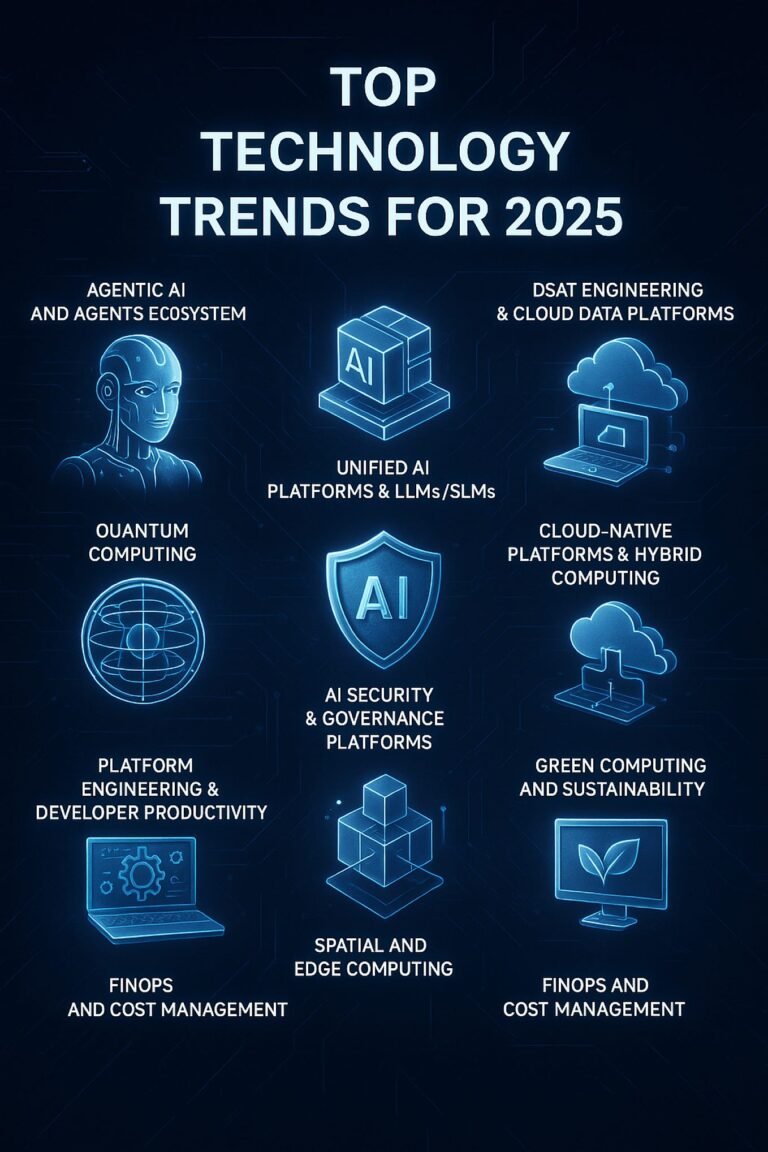
Physics-Informed AI Algorithm Revolutionizes Climate and Engineering Predictions
A groundbreaking physics-informed machine learning algorithm developed by University of Hawaiʻi researchers promises to transform how we predict climate patterns and fluid dynamics by ensuring AI outputs remain physically plausible even with sparse data.

Bibliometric Study Maps 30-Year Evolution of Climate Change Awareness Campaign Research
A new bibliometric study analyzing 1,207 scientific publications from 1994-2024 reveals how climate change awareness campaign research has evolved, highlighting dominant themes, leading institutions, and critical gaps in evaluating campaign effectiveness.

USDA Unveils 2026 Agricultural Research Priorities Under Secretary Rollins
Agriculture Secretary Rollins has announced the USDA’s research and development priorities for 2026, emphasizing climate-smart agriculture, technological innovation, and food system resilience to address emerging challenges in American agriculture.