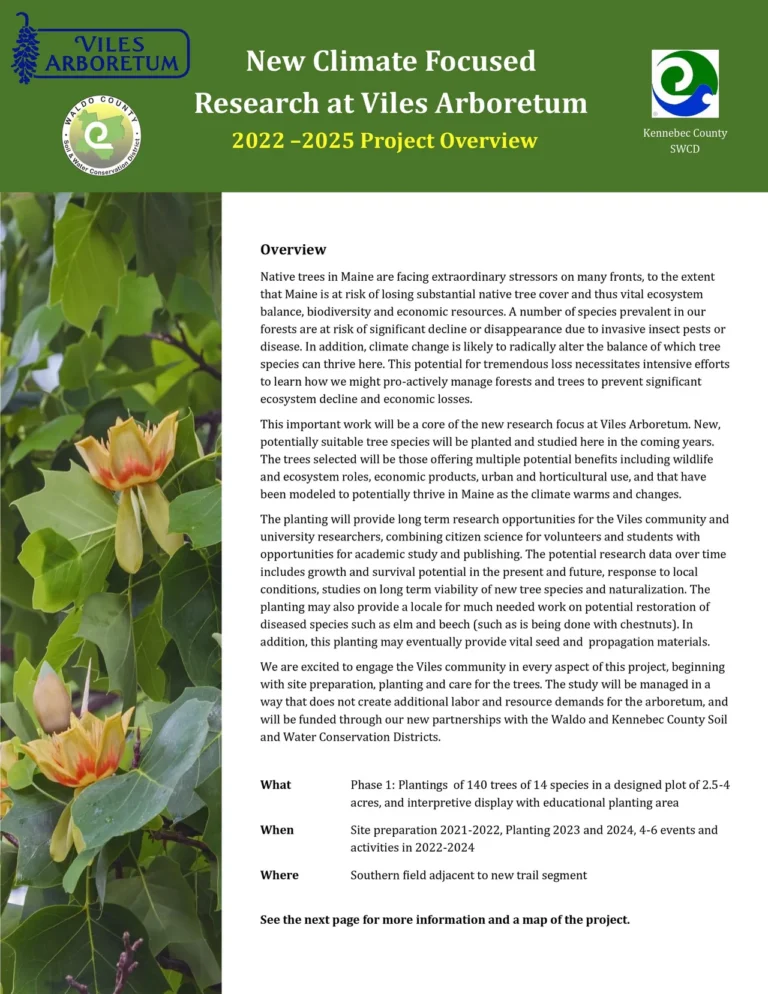
Deep-Sea Mining Zone Yields Nearly 800 New Species in Major Marine Discovery
A landmark deep-sea study has documented almost 800 species—many new to science—on the Pacific seabed targeted for future mining, highlighting both the ocean’s hidden biodiversity and the urgency of conservation planning.

Norway Establishes Six National AI Research Centers to Advance Ethical and Sustainable Artificial Intelligence
Norway has launched six new national AI research centers with combined funding of up to NOK 1.2 billion over five years, positioning the country at the forefront of ethical and sustainable AI development while creating numerous opportunities for climate and environmental research.
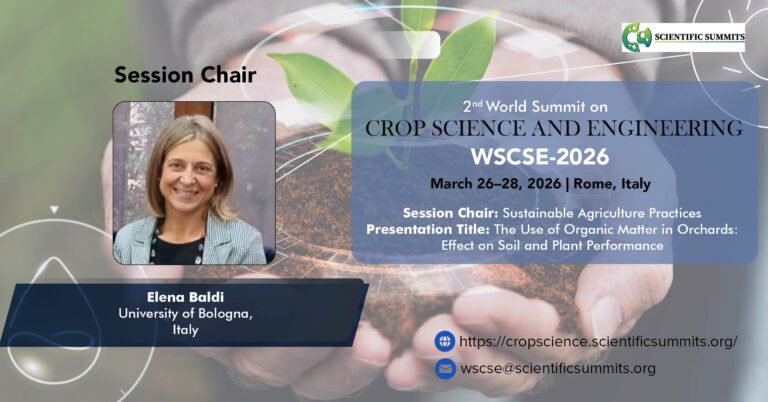
Synthetic Biology Market in Agriculture and Food Projected to Grow at 13.2% CAGR Through 2033
A comprehensive market study forecasts the synthetic biology sector in agriculture and food will expand at a robust 13.2% compound annual growth rate from 2026 to 2033, driven by CRISPR genome editing, next-generation sequencing, and rising demand for eco-friendly farming solutions.
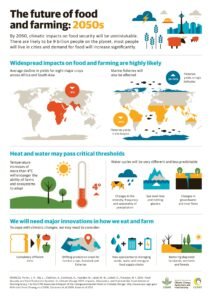
Food System Boundaries: New Research Maps How Global Food Production Transgresses All Nine Planetary Limits
Researchers at the Potsdam Institute for Climate Impact Research have released the first data-driven framework translating the nine planetary boundaries into food-specific limits, revealing that every boundary is already transgressed by our food systems.

What 20 Years of Scientific Research Reveals About Climate Change Awareness Campaigns
A new bibliometric study published in Sustainability analyzes two decades of scientific literature on climate change awareness campaigns, revealing key research trends, influential works, and gaps that could shape future climate communication strategies.